

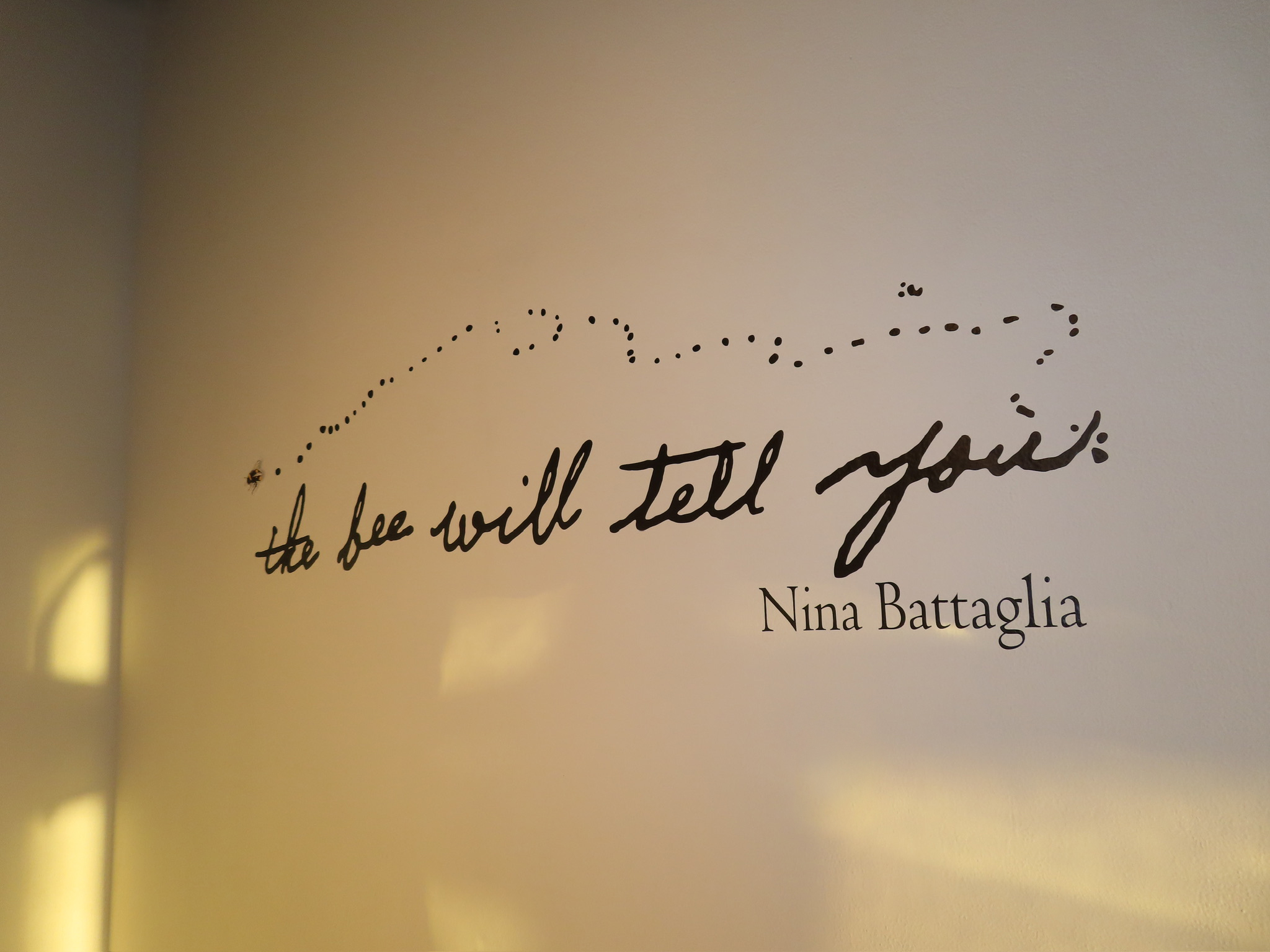
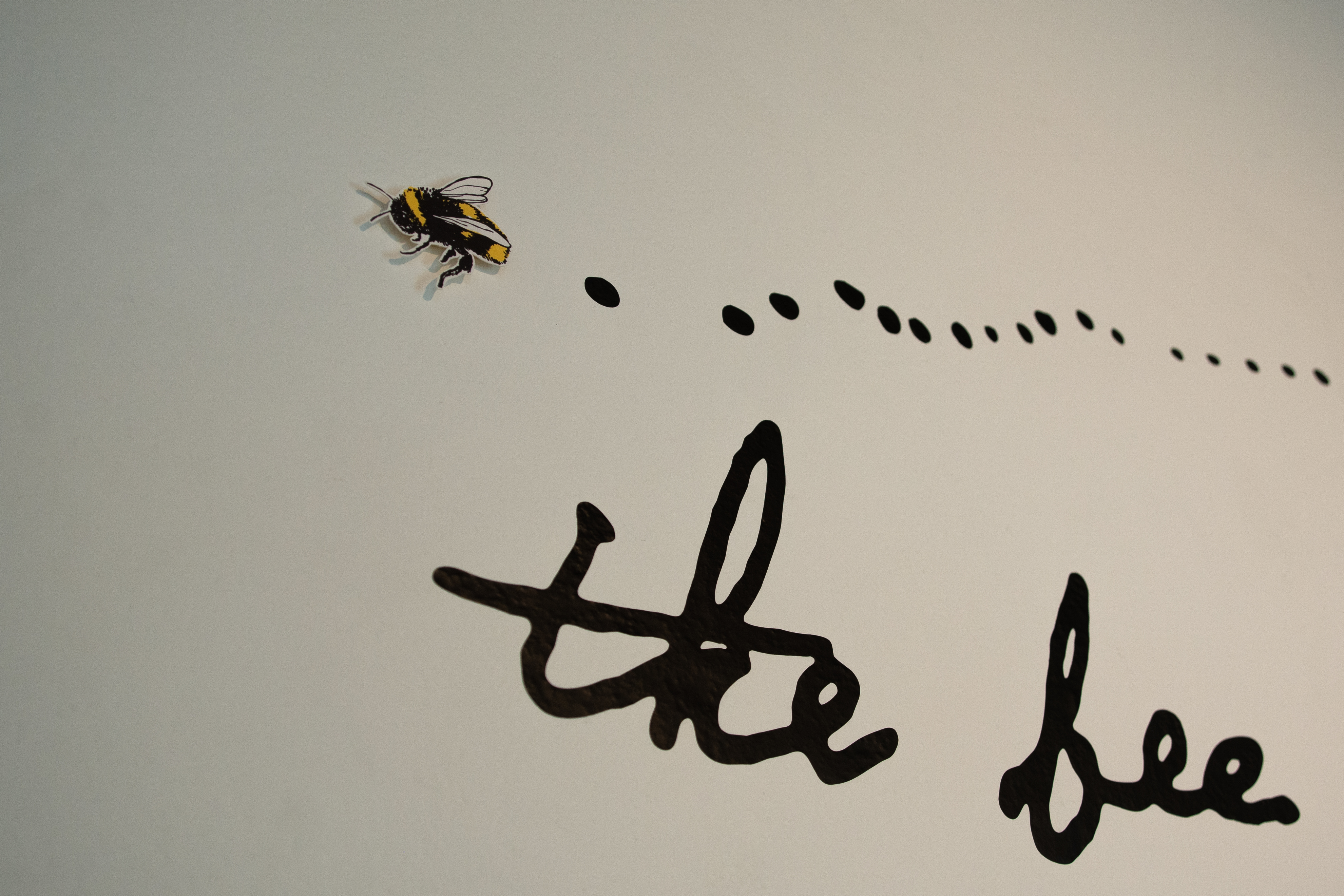
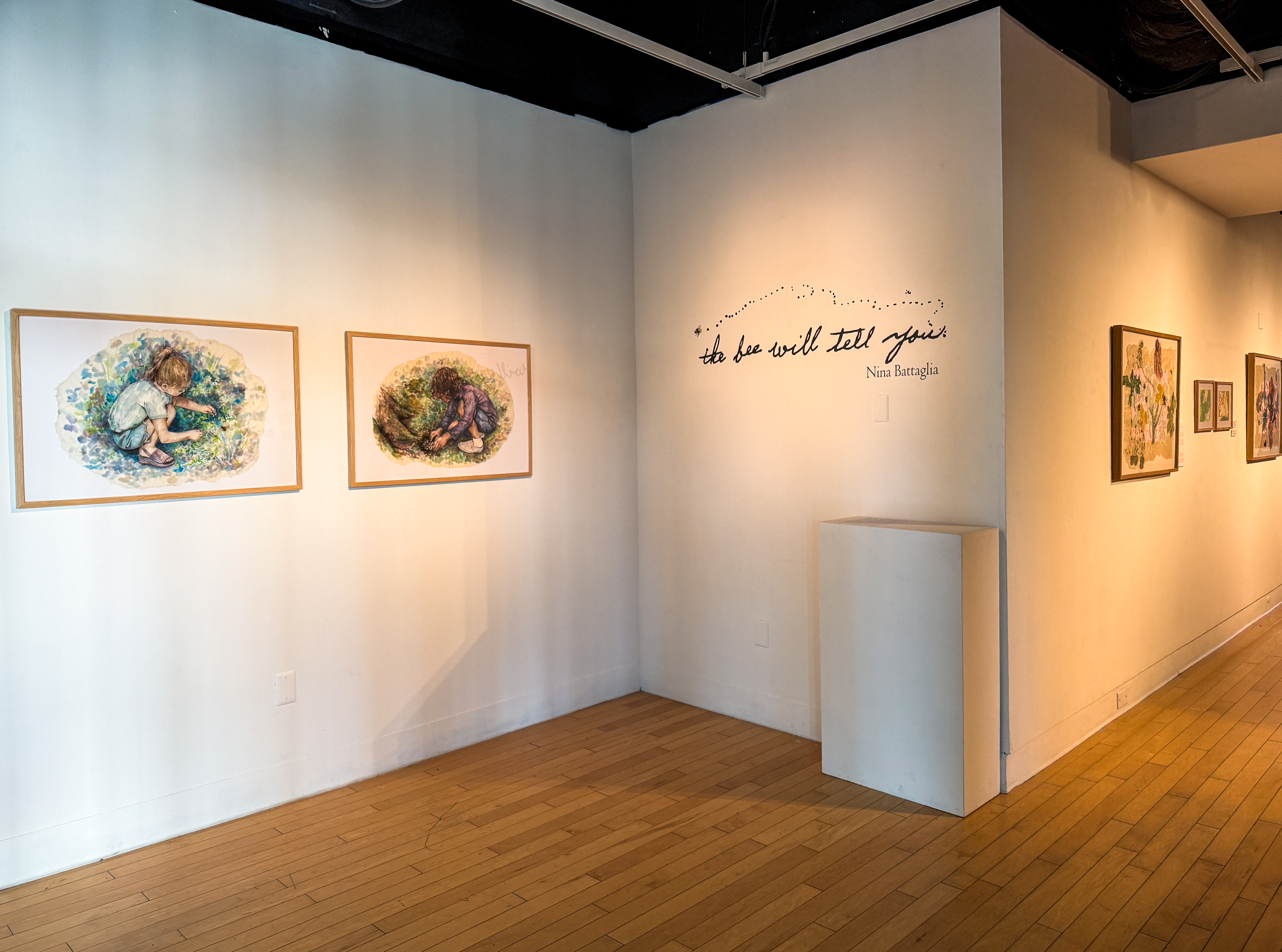
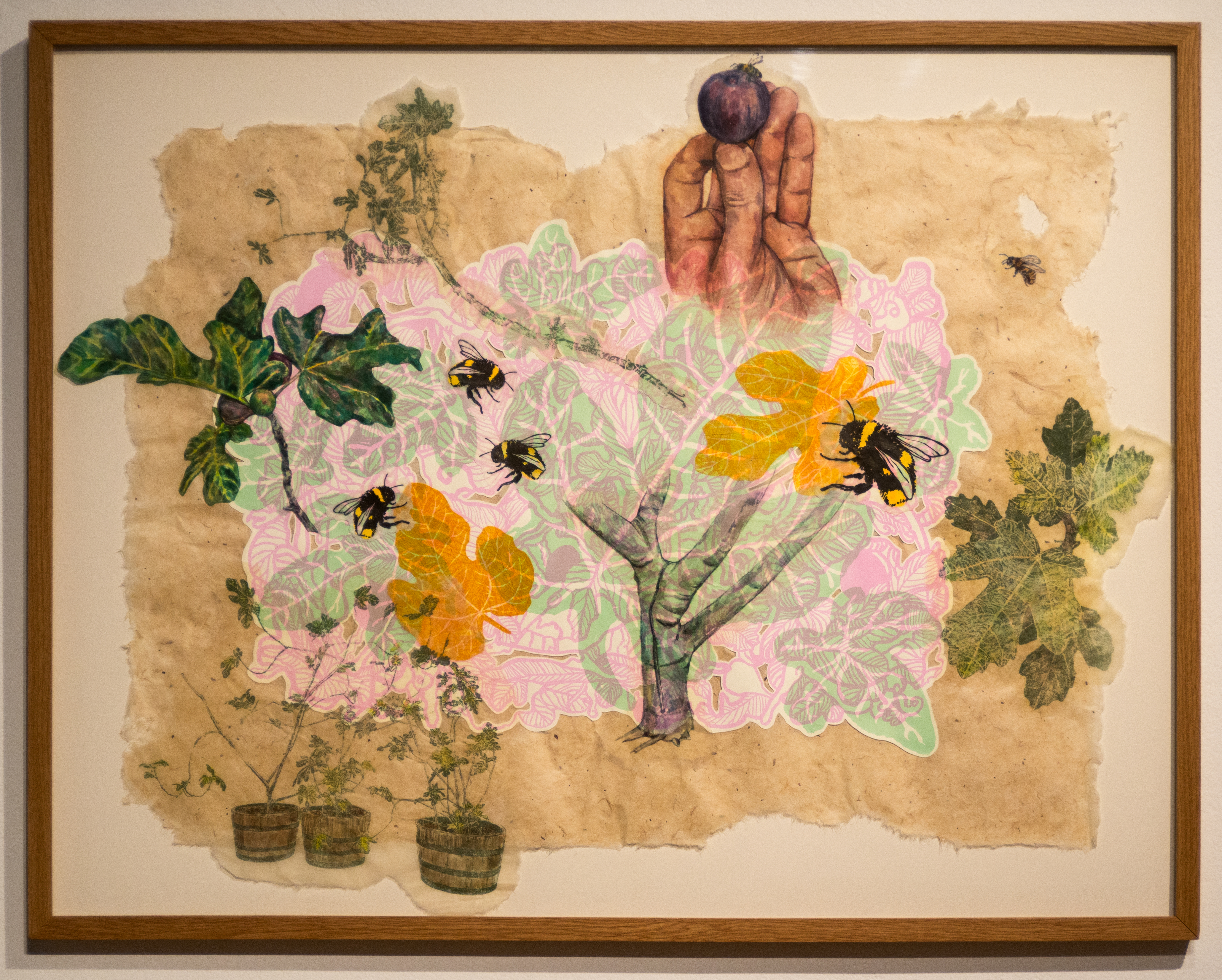
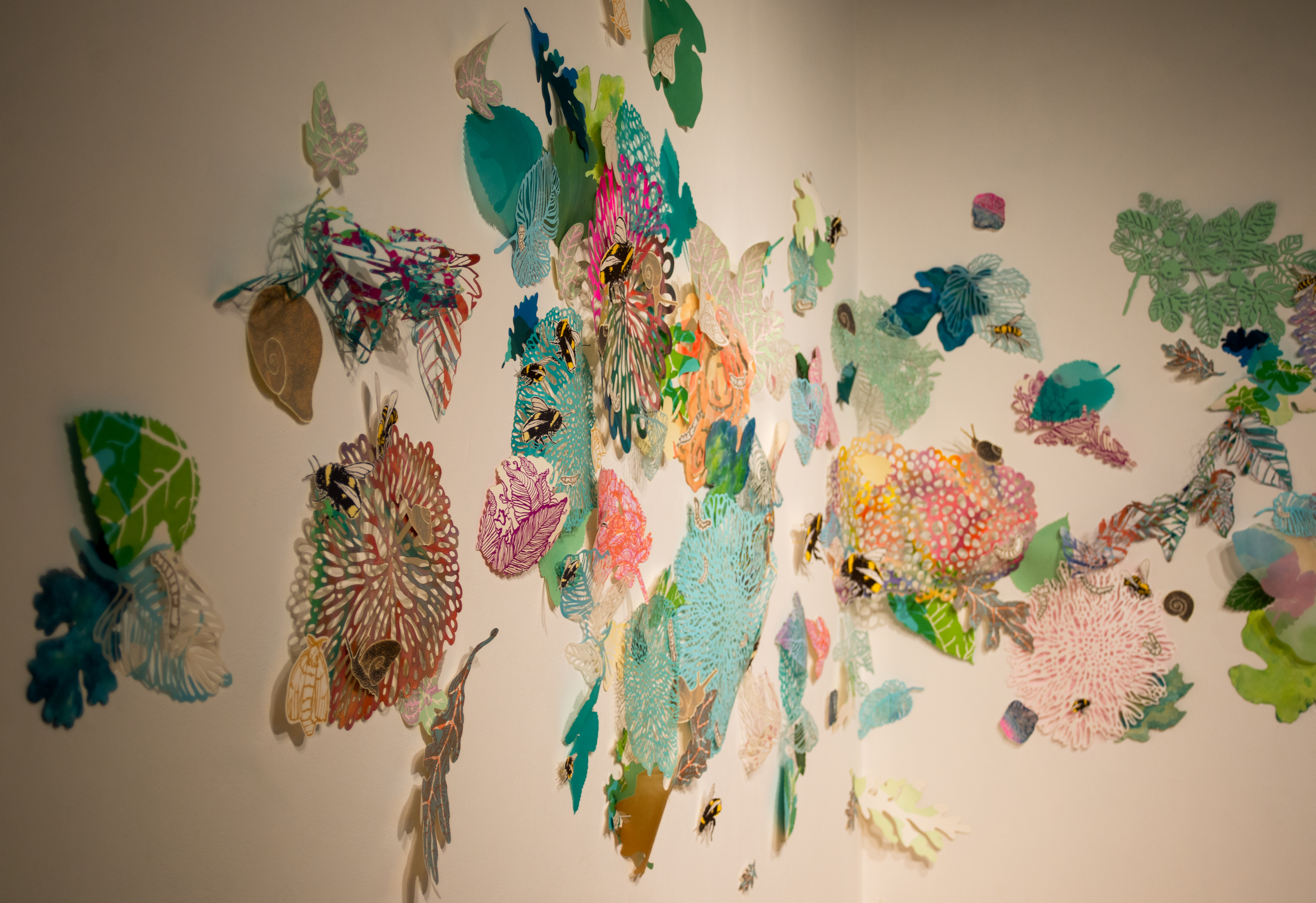
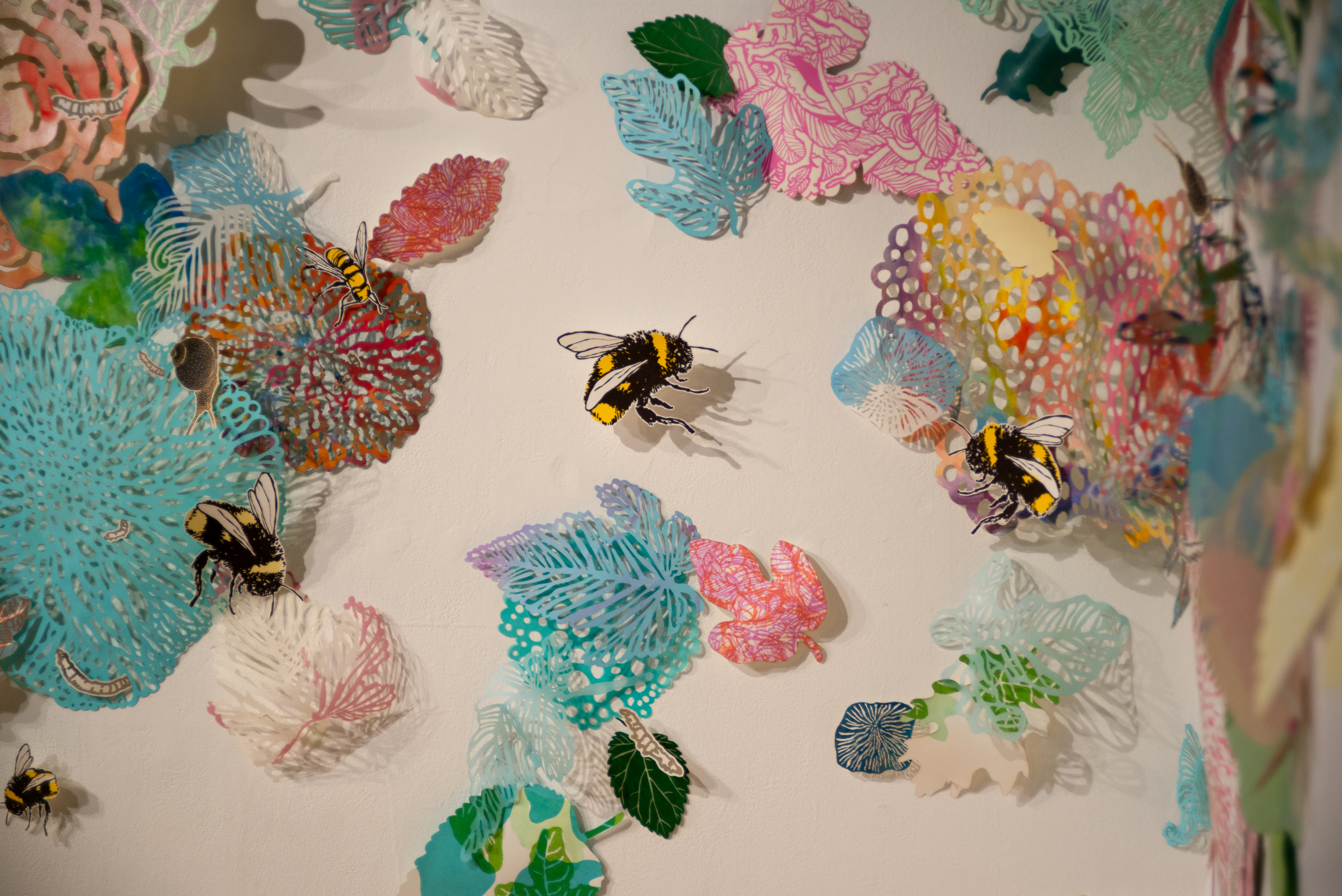
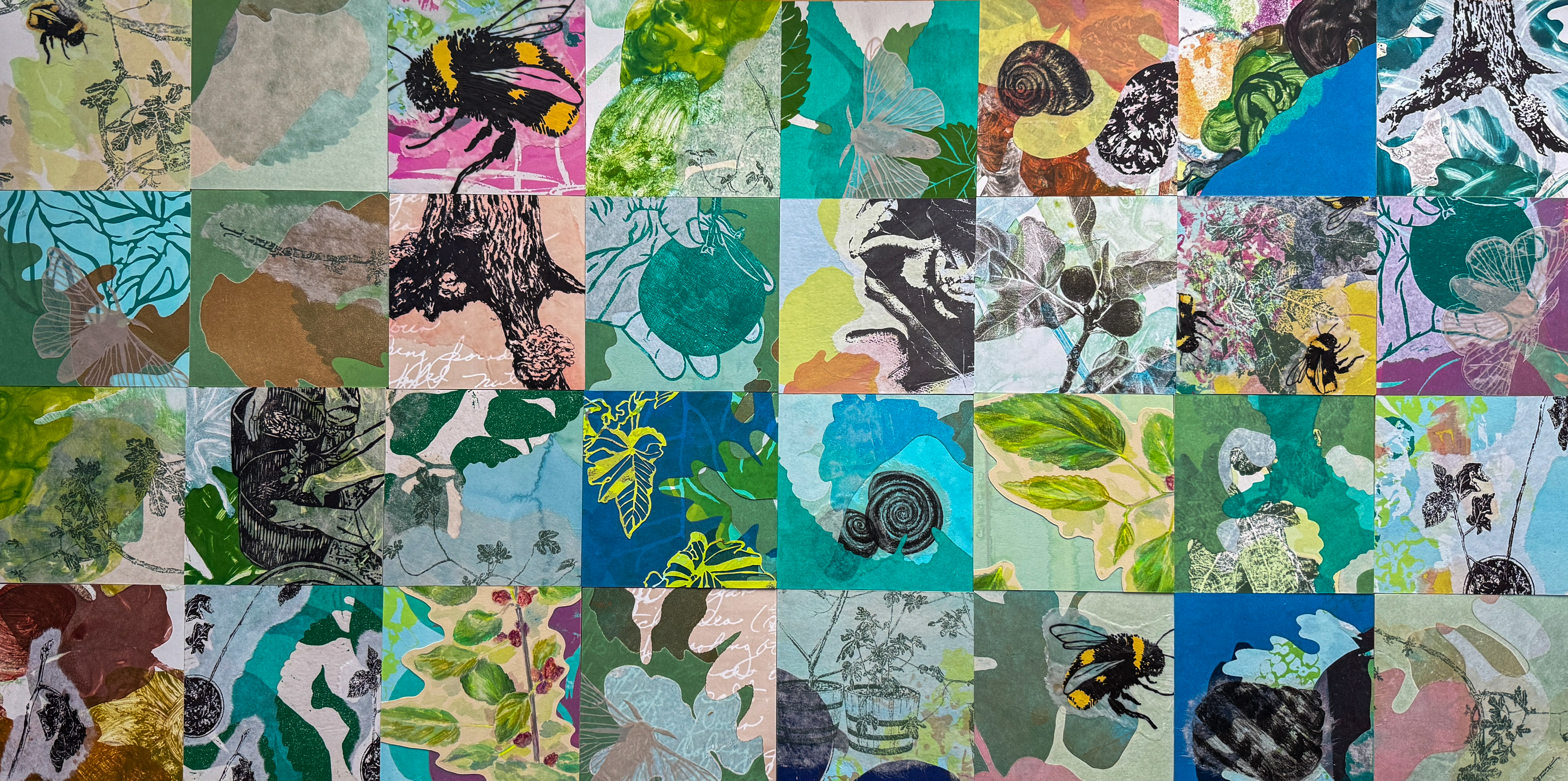
The lessons that shape this work were learned outdoors, through repetition and care. the bee will tell you takes its title from a family saying passed down through my great-uncle Patsy: a fig is ripe not by its color or softness, but when a bee lands on it. This wisdom reflects a way of knowing rooted in patience, trust, and attention. Understanding arrives when conditions are right, and nature, of which we are a part, reveals knowledge through subtle gestures.
At its core, this exhibition explores the relationship between nature and nurture, and how close observation keeps family stories and histories alive. The work is grounded in inherited agricultural knowledge learned through watching, doing, and participating. Domestic and rural labor become ways of understanding identity, memory, and continuity. The sensory memory of picking figs as a child becomes a metaphor for how ancestors guide us gently, often without words.
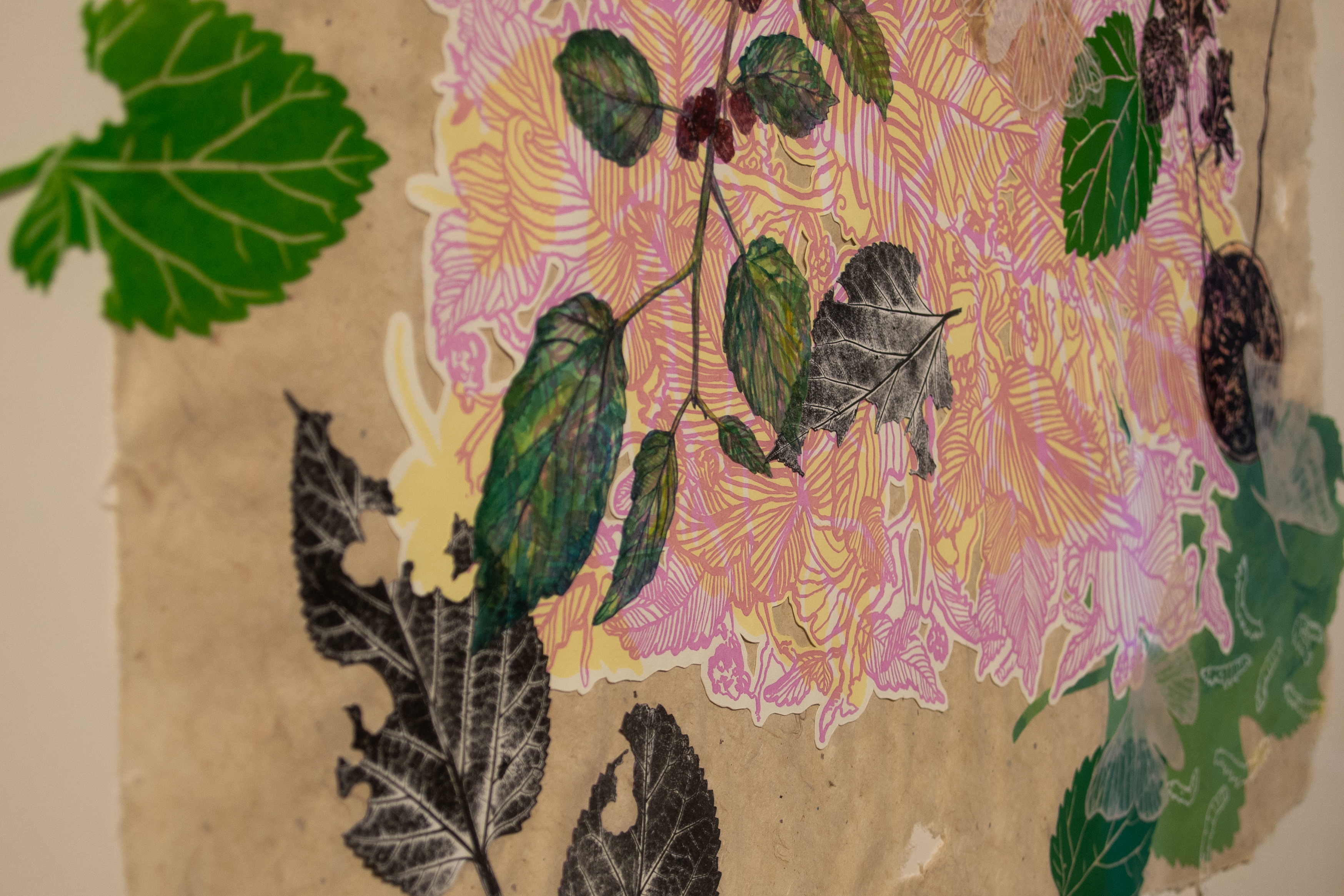
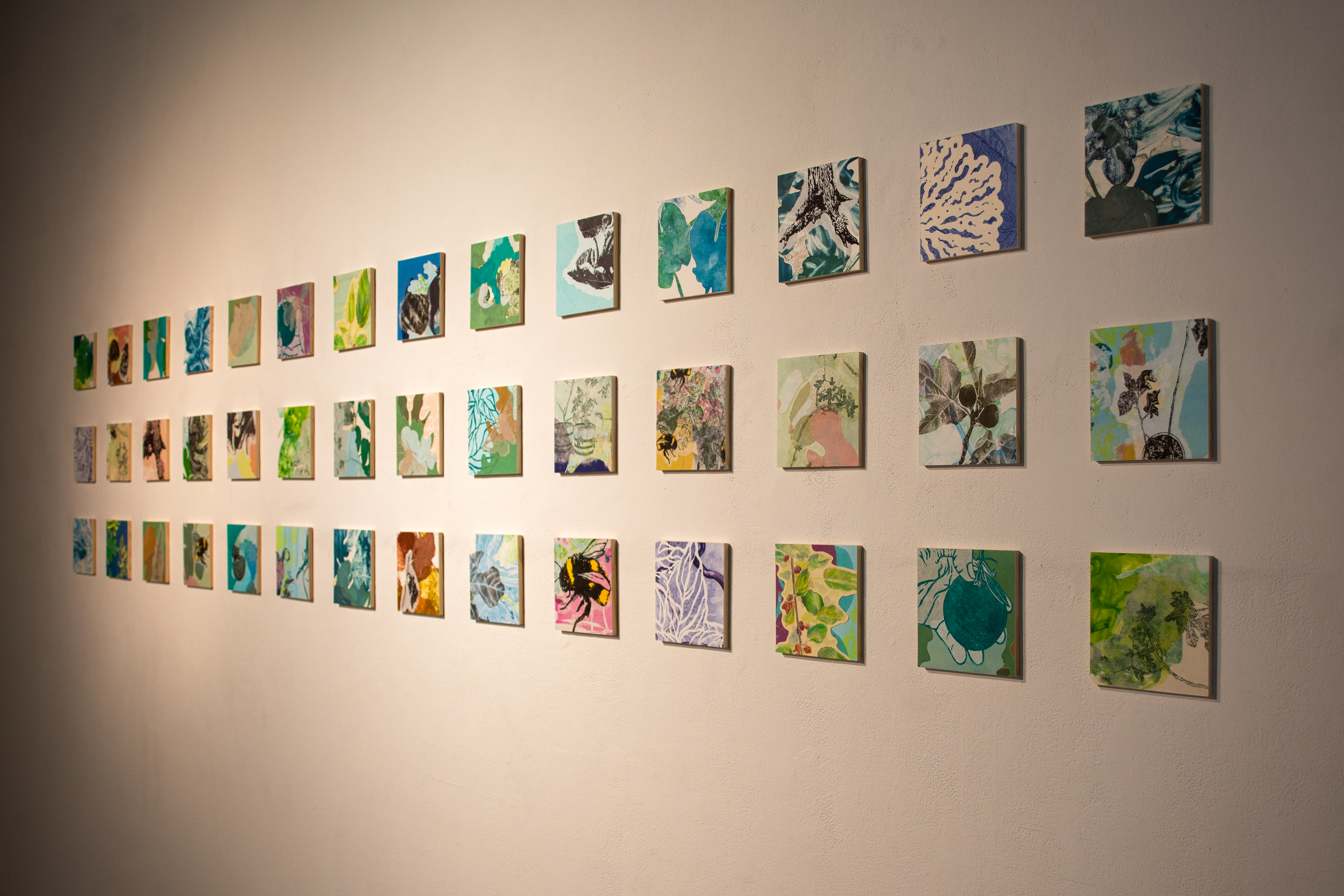
the bee will tell you centers on three trees significant to my family history: the fig, the mulberry, and the oak. Each tree functions as both a personal marker and an ecological archive, carrying stories of cultivation, migration, and survival. Together, they represent different forms of knowledge passed through generations—inheritance, observation, and labor. Scenes of everyday life appear distorted, fragmented, or layered, reflecting the way stories shift as they move across time and generations.
Working through printmaking, drawing, and collage, I build images that echo the processes of remembering and reconstructing. The fragility of paper and printed surfaces mirrors the delicate nature of memory itself. Through these materials and images, I give form to stories passed down quietly—through labor, observation, and care—trusting that meaning reveals itself when we learn how to wait.
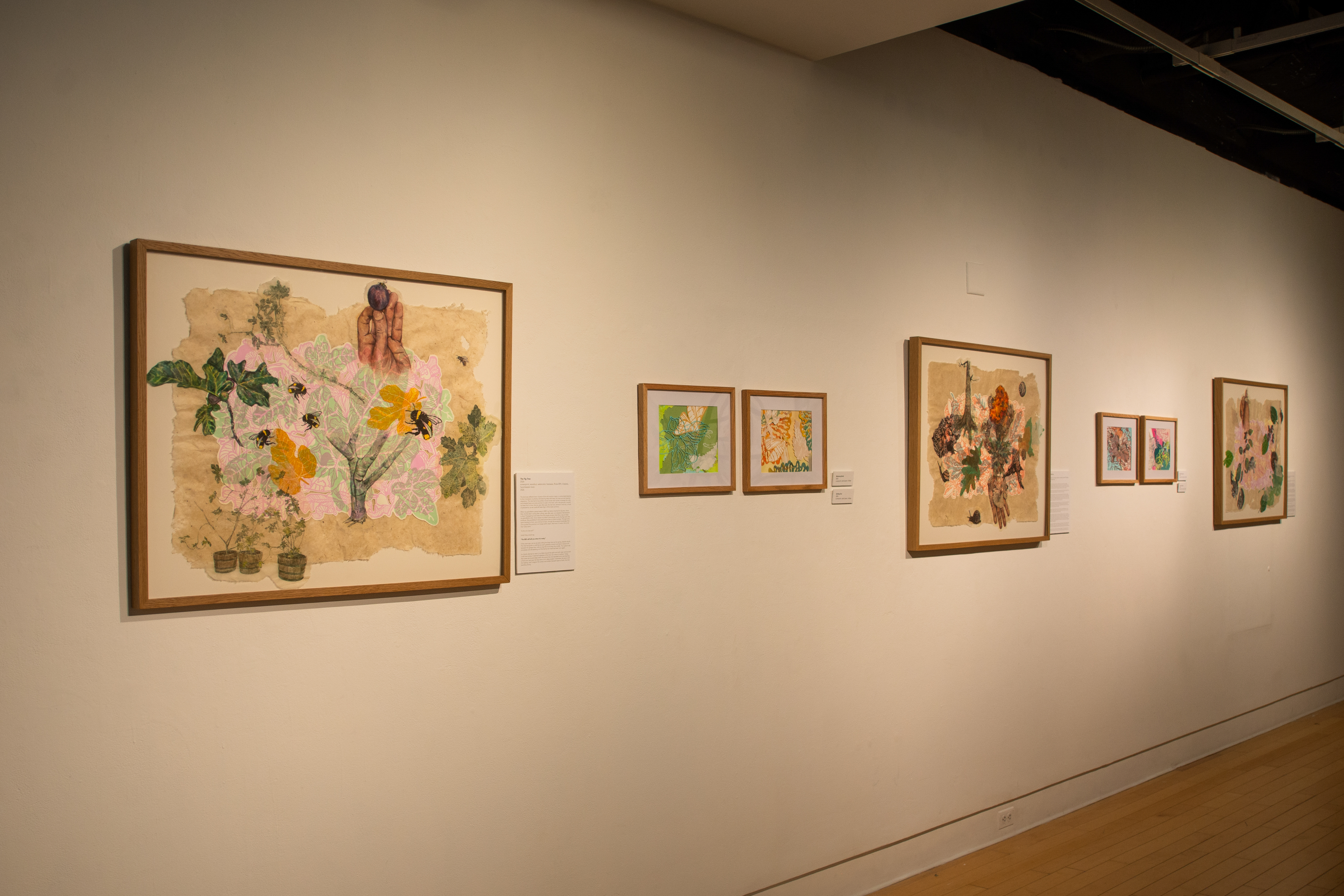
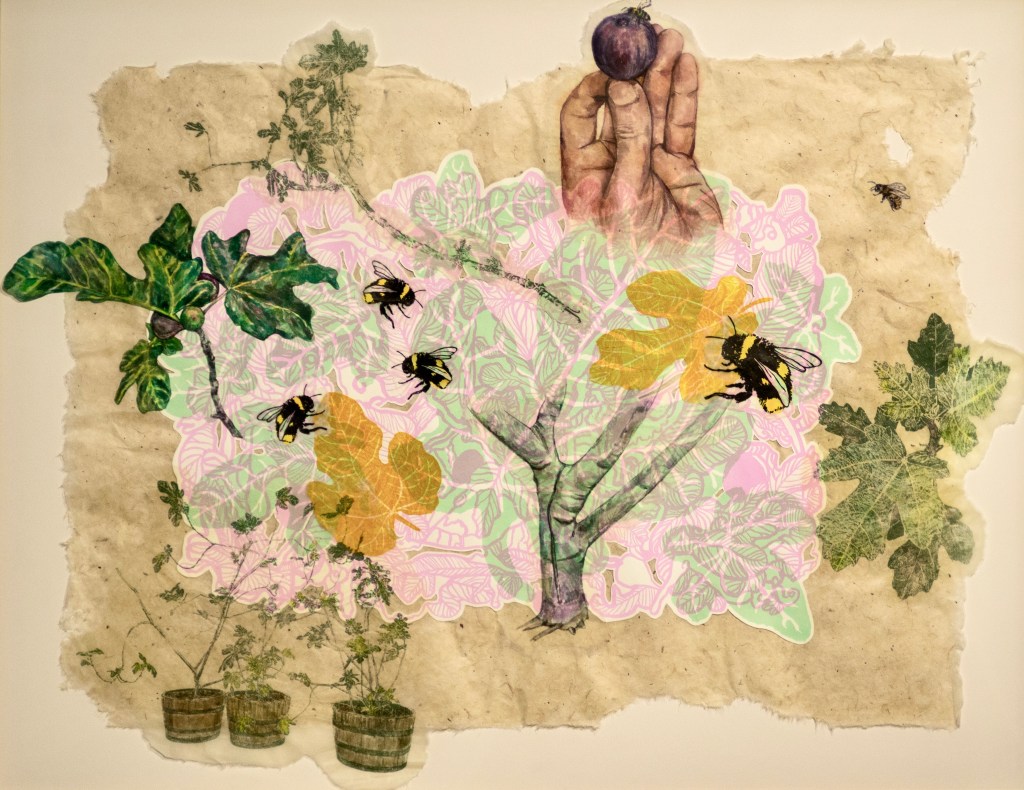
The Fig Tree
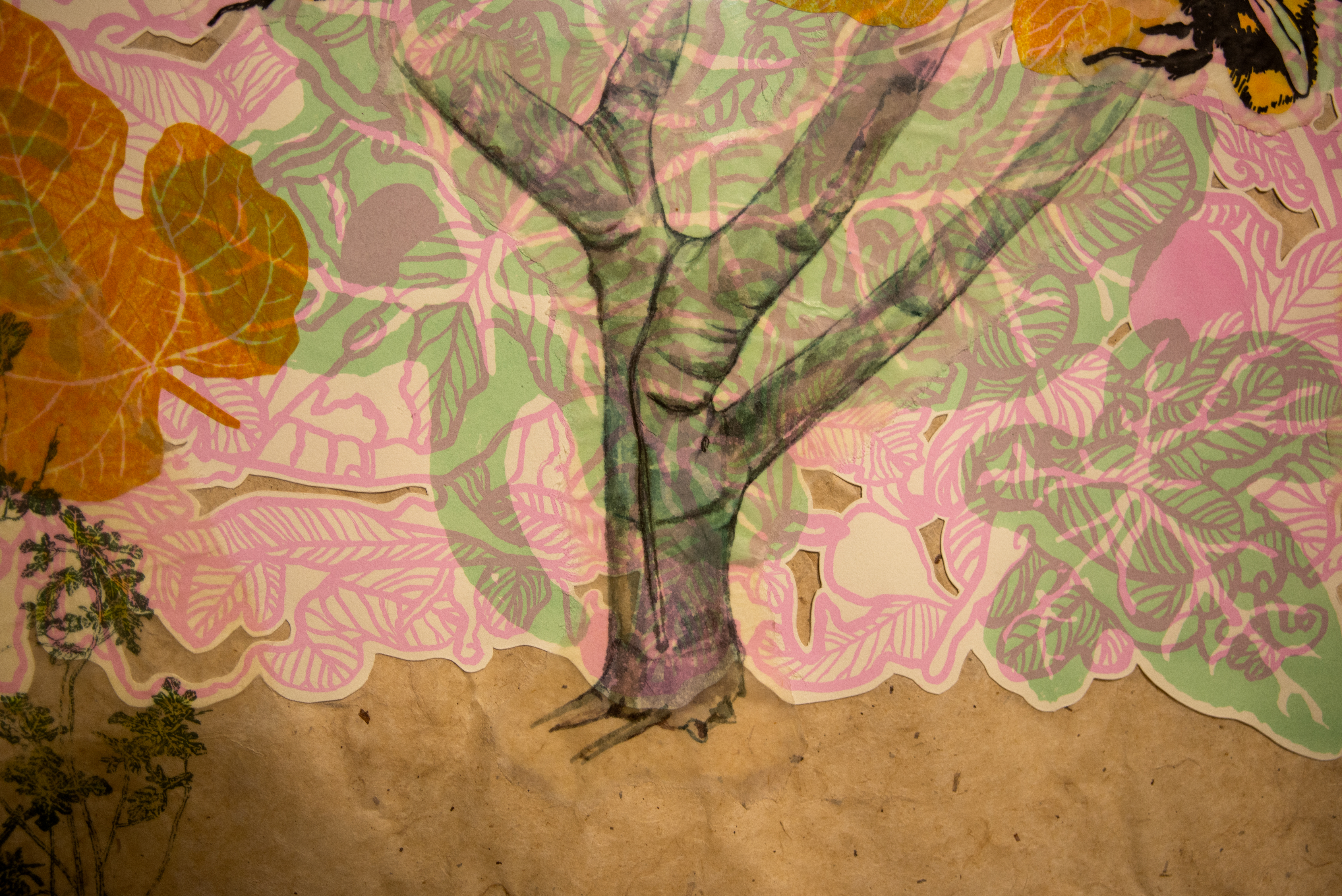
The land was different here. A piece of the old country is kept in a wine barrel planter. In their homeland, my family cultivated fig trees with ease, but here survival required adaptation. The tree had to be potted, moved inside each winter to escape the cold, and wheeled back out every summer to soak in the heat. Left in the ground, it would not bear fruit in time. And so, year after year, the tree was ushered in and out, a ritual of persistence, so we could still taste figs in Ohio’s late summers.
When my grandfather passed away in 2009, my father inherited his fig tree. Since then, he has taken cutting after cutting, year after year—an obsession that became a ritual. Propagating more trees from this single ancestor feels like a way to keep my grandfather alive. Every season my father meticulously counts the figs each tree produces. My grandfather’s tree yields around two to three hundred. Through time spent tending to them, we continue to learn, though the ancestral knowledge that once guided this practice is no longer within reach. And even if it were, this is not their native land.
“Is this one ripe yet?”
Uncle Patsy would say,
“The BEE will tell you when it’s ready.”
A few years ago, just as we were rolling the large tree out for spring, disaster struck. The tree had grown so tall that we each grabbed a branch and bent it down to fit beneath the garage door, only to snap the trunk down the middle. The rupture was immediate and devastating, as if the family tree itself had been torn apart.
In a frantic attempt to save it, my father bound the split trunk with rope and secured it with two screws. It seemed hopeless at the time, but nature is resilient. Today, the screws are buried deep within the wood, the once-severed trunk now bearing a thick scar. Last year, the figs were a rich, deep purple. I remember the panic and the healing, and I imagine the screws now hidden beneath layers of bark, the tree standing strong.
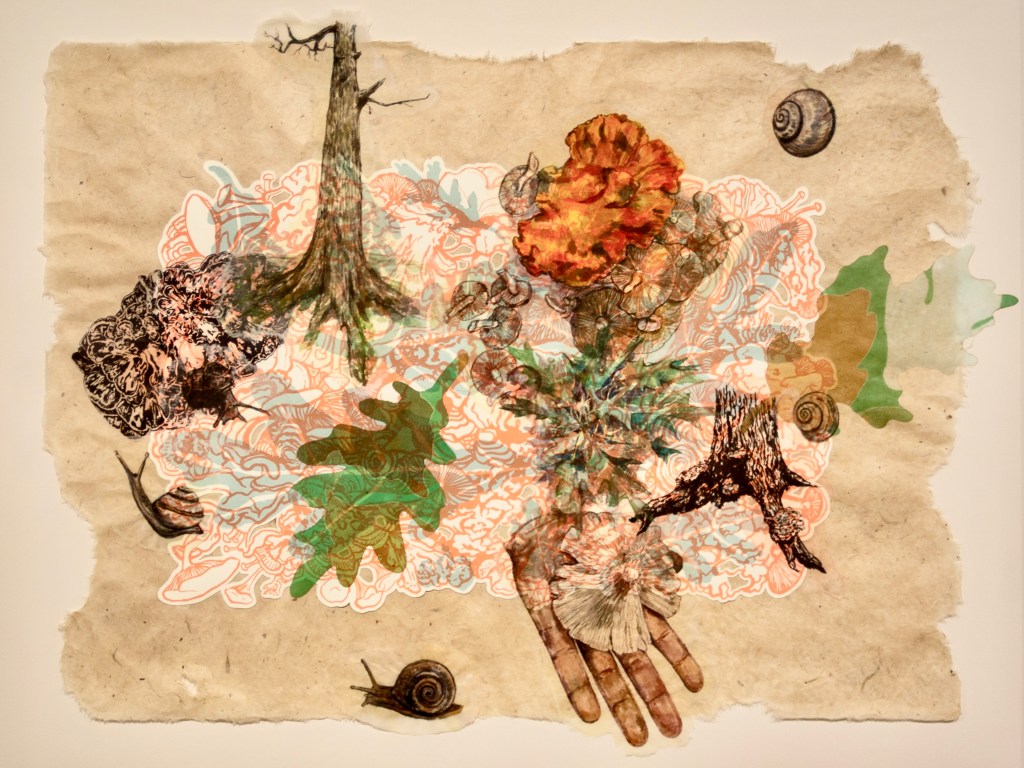
The Oak Tree
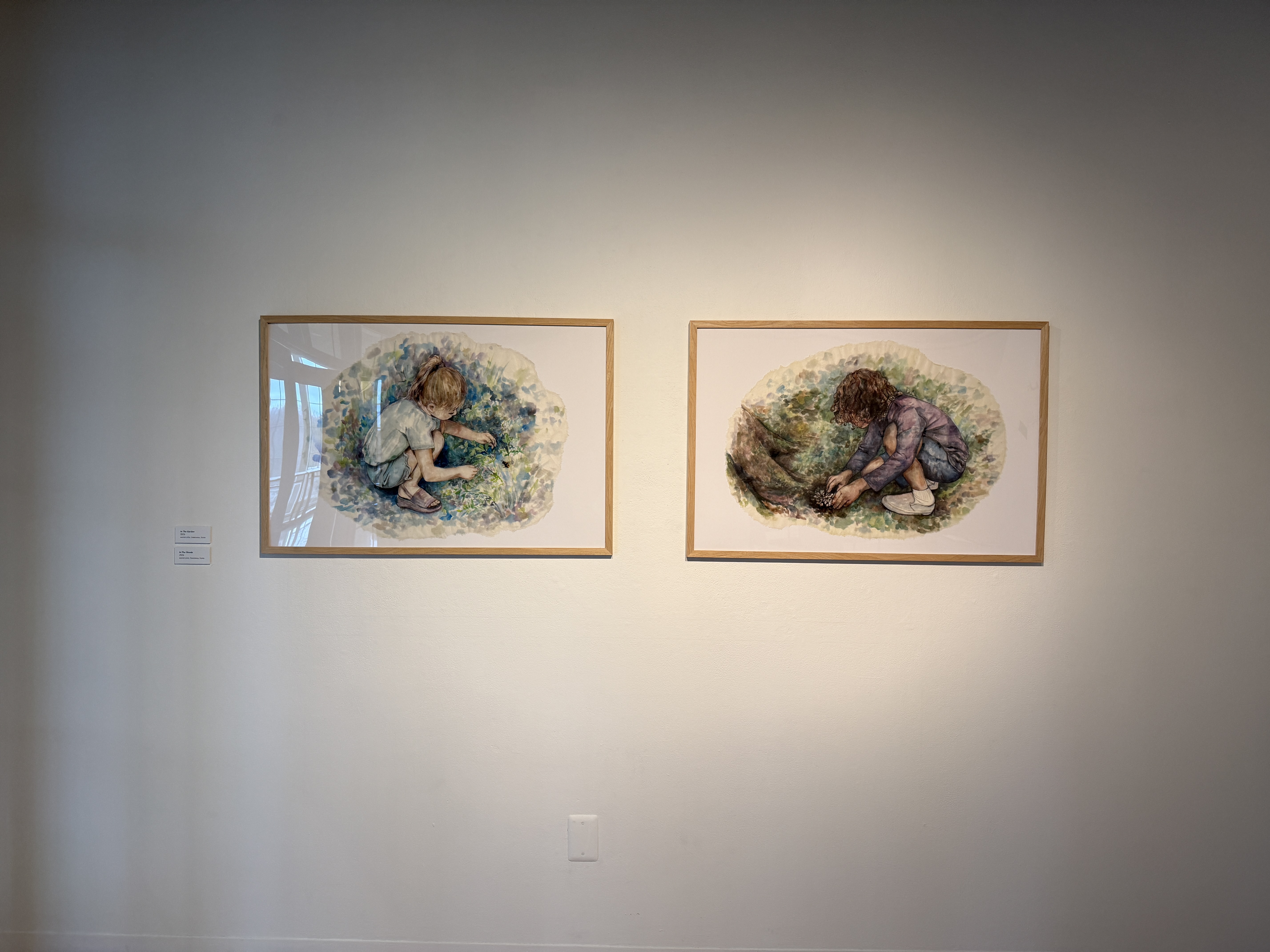
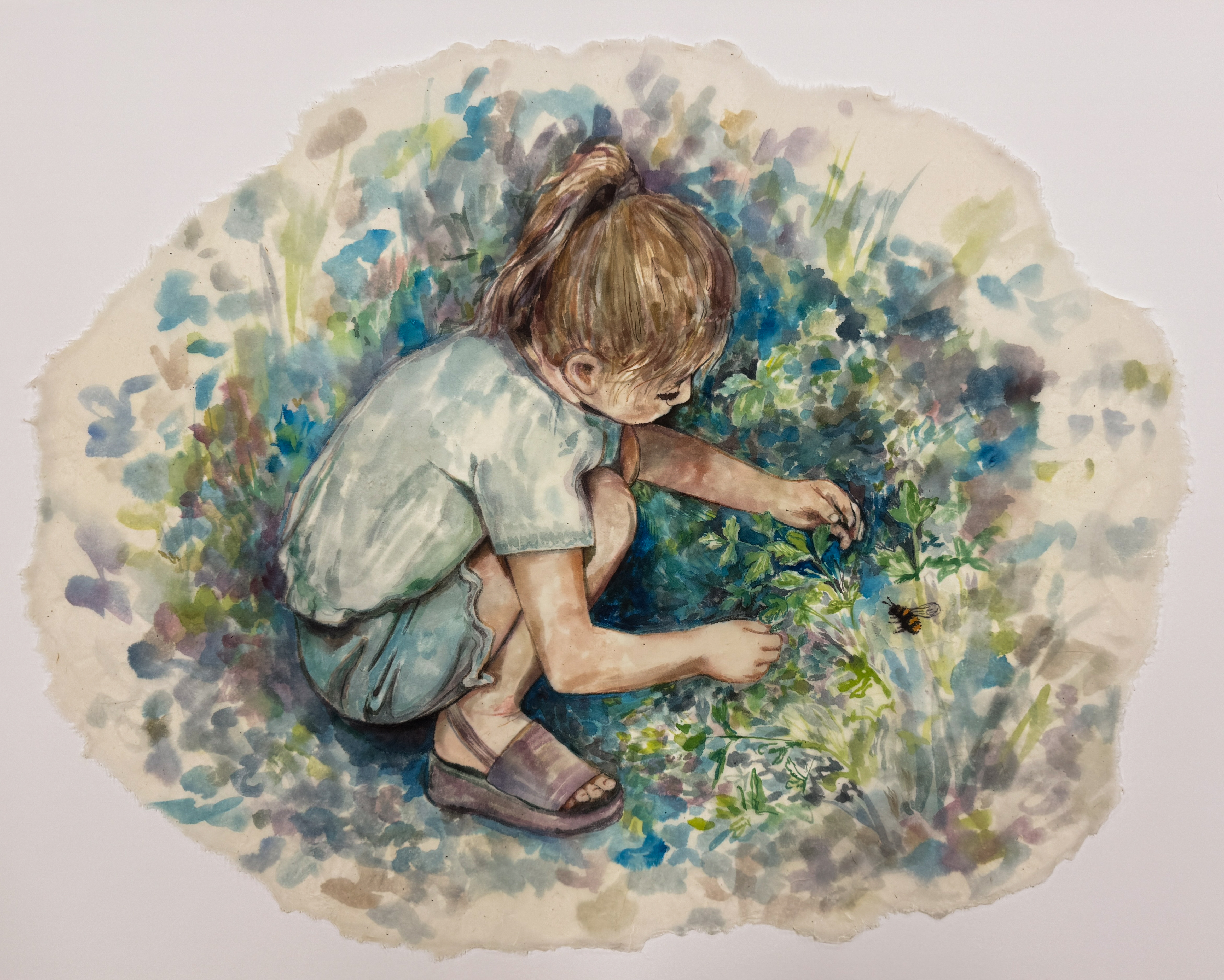
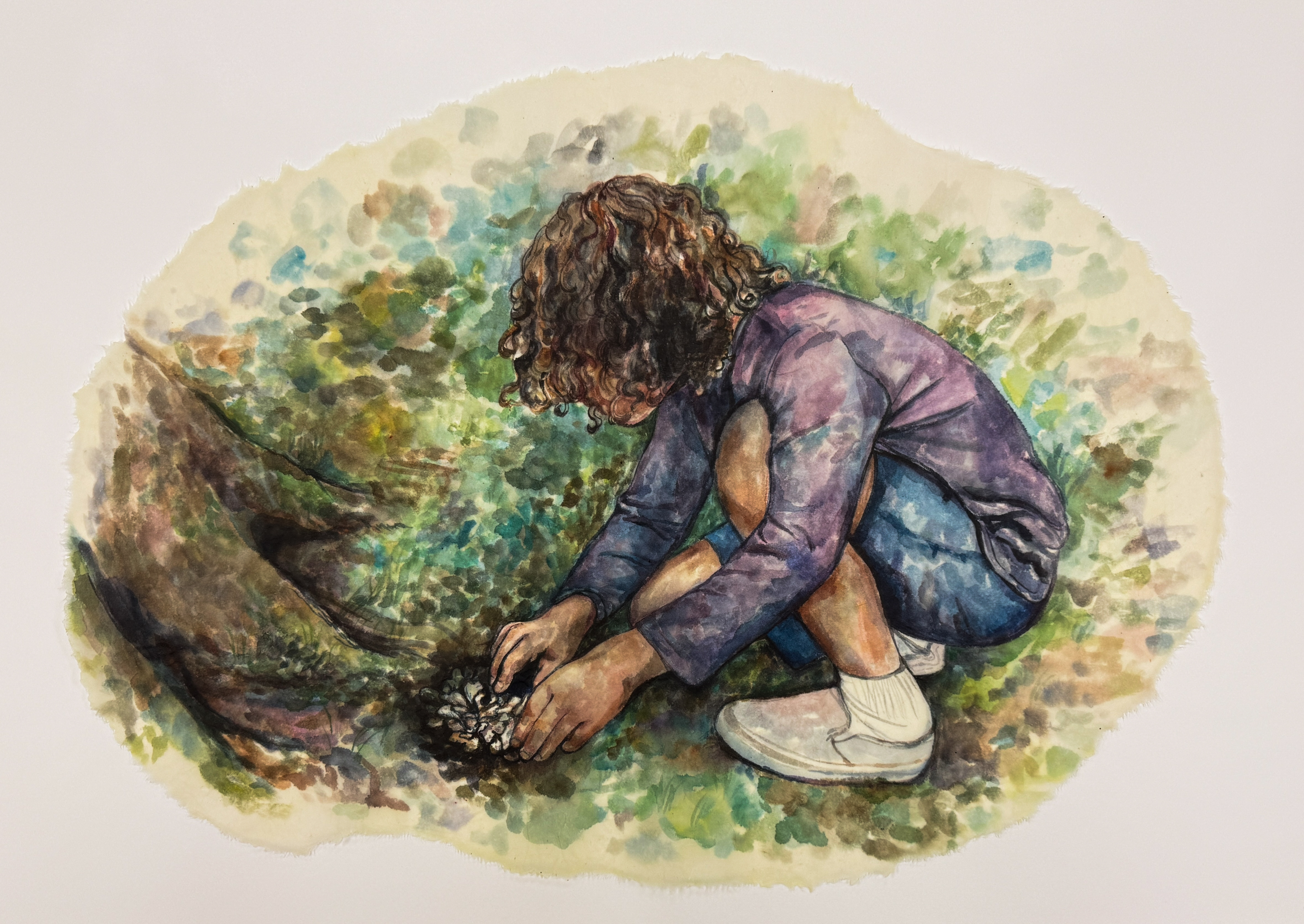
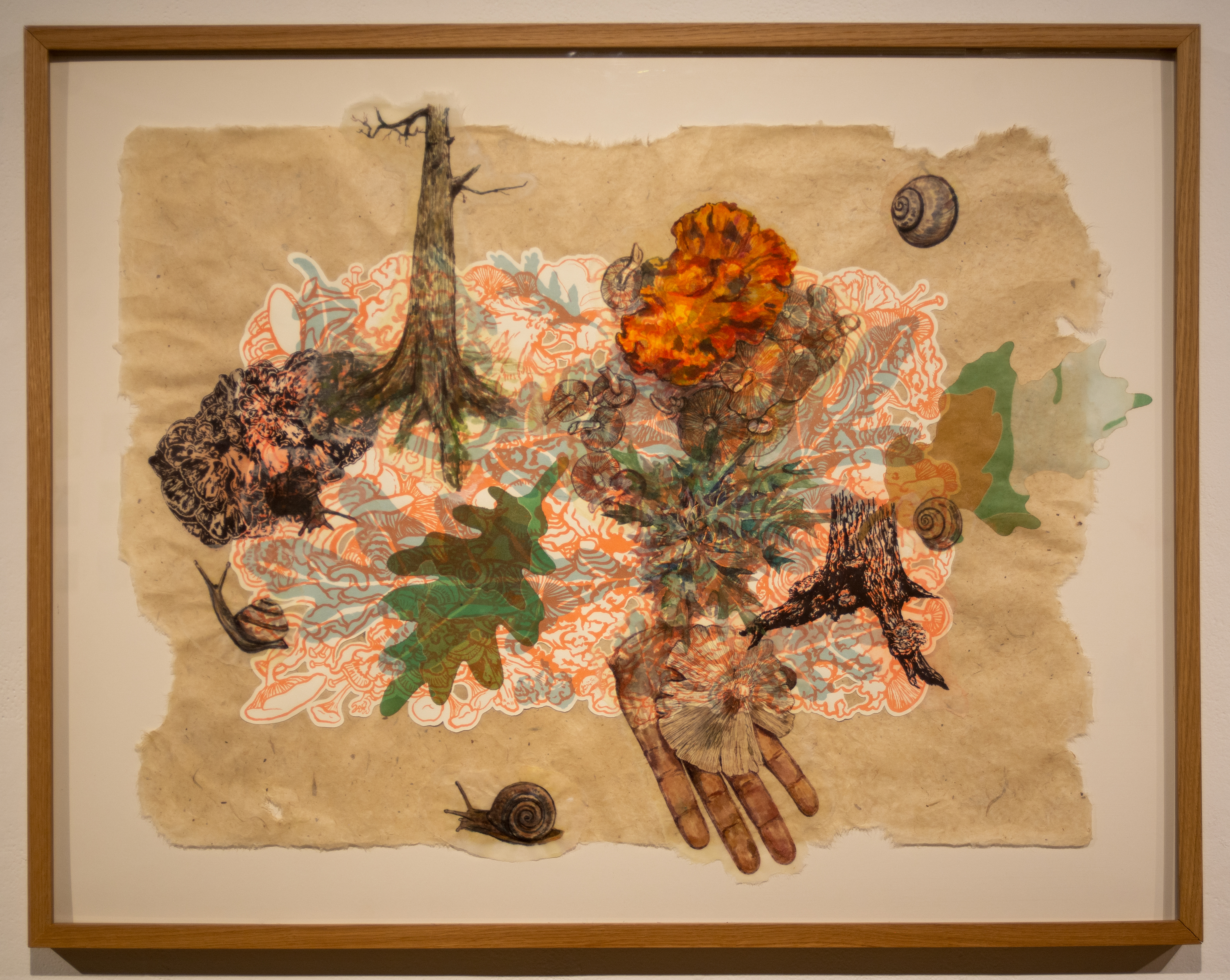
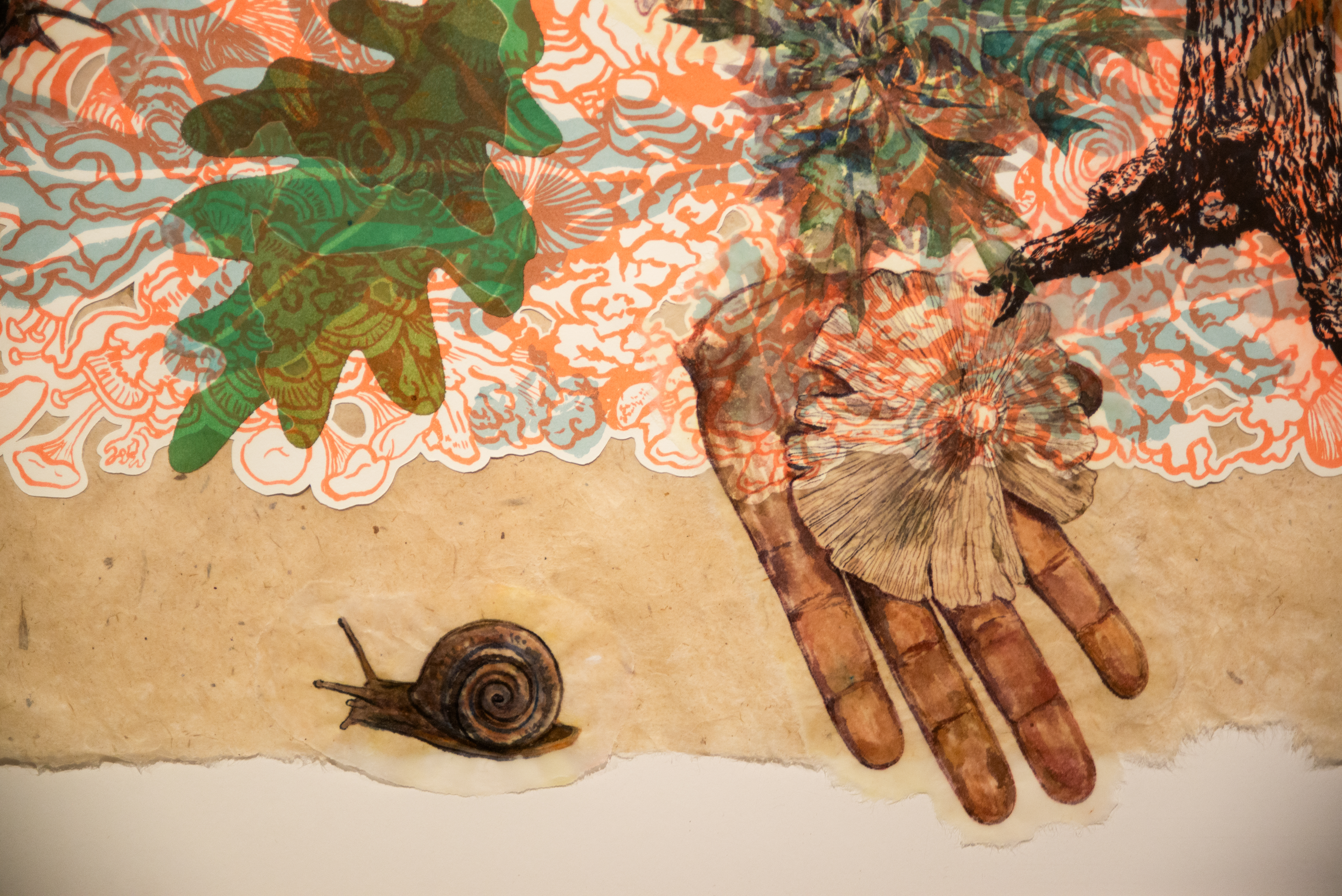
Some of my earliest memories are of walking in the woods. We moved slowly, stopping every few steps. I pointed at every mushroom I saw and asked what it was. Without realizing it, without really trying, I began to learn what to look for and what to avoid. Even when we don’t find anything, we still get to walk in the woods.
Over time, the signs became familiar. The trees are the X that marks the spot. Here is the secret: Look up, see dead tree. Look down, see mushrooms.
Oak trees are good places to start. Their leaves gather on the forest floor, holding moisture beneath them. In the fall, we search near their trunks, brushing aside leaves and looking for small shapes pushing through the soil. Sometimes we find them right away. Other times, we realize something else got there first—a snail, a deer, a squirrel. A mushroom half-eaten is still a sign that we were close.
Walking through the woods this way teaches you to notice things: the way the ground changes, the smell of damp leaves, the small disturbances where something has pushed its way upward. The forest begins to reveal itself slowly. Even when we leave empty-handed, the walk itself is enough.
My ancestors foraged mushrooms in the mountains of the Mediterranean. Their knowledge of plants, animals, and fungi traveled with them across the ocean and settled into new forests thousands of miles away.
I grew up learning the names of mushrooms by listening: buttons, or mocus (muh-coose), and sheephead appear in autumn. The instructions are always repeated during walks in the woods: Look up, see dead tree. Look down, see mushrooms. The saying is simple but precise. Decaying trees feed the soil, and beneath them life begins again. Mushrooms emerge quietly from the forest floor, nourished by what has fallen and begun to break down.
Foraging requires attention and small rituals of confirmation. The forest offers clues—growth patterns, moisture, insects, and the presence of other animals. Each sign becomes a way of reading the land. What first appears empty often holds abundance.
Beneath the oak trees, decay and growth exist together. The forest keeps its own record of time, written in rot, roots, and new life pushing upward through the soil.
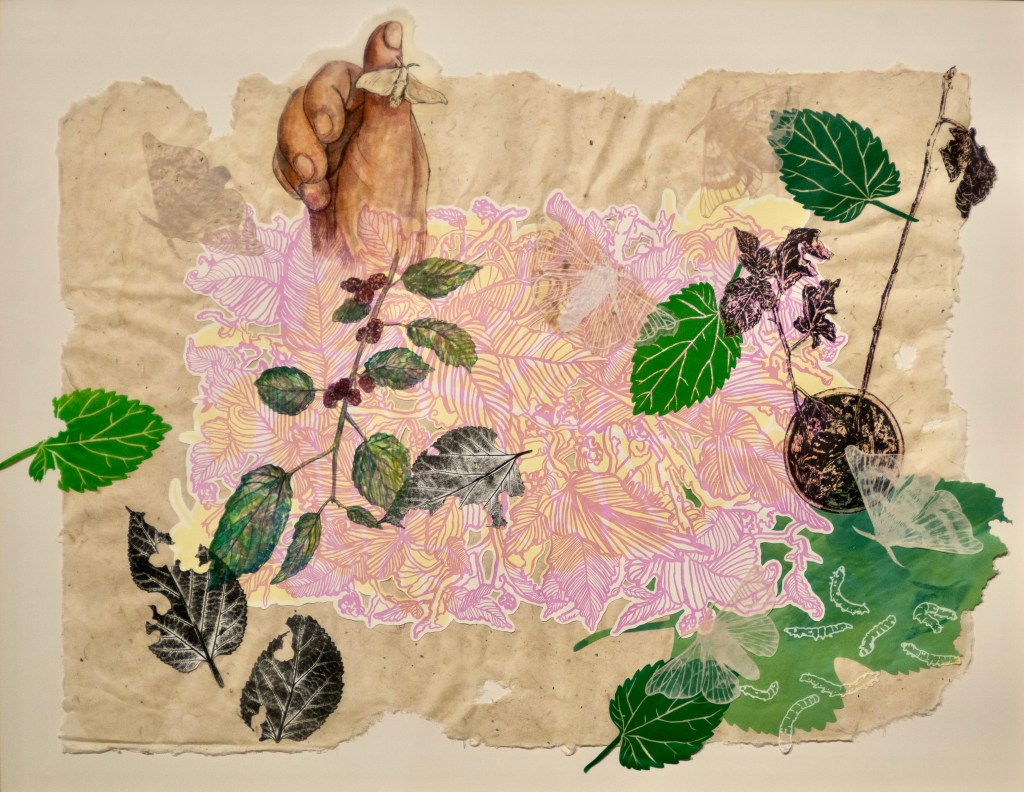
The Mulberry Tree
The mulberry tree is tied to the women in my family, though the connection is both a practice and a history that has nearly disappeared.
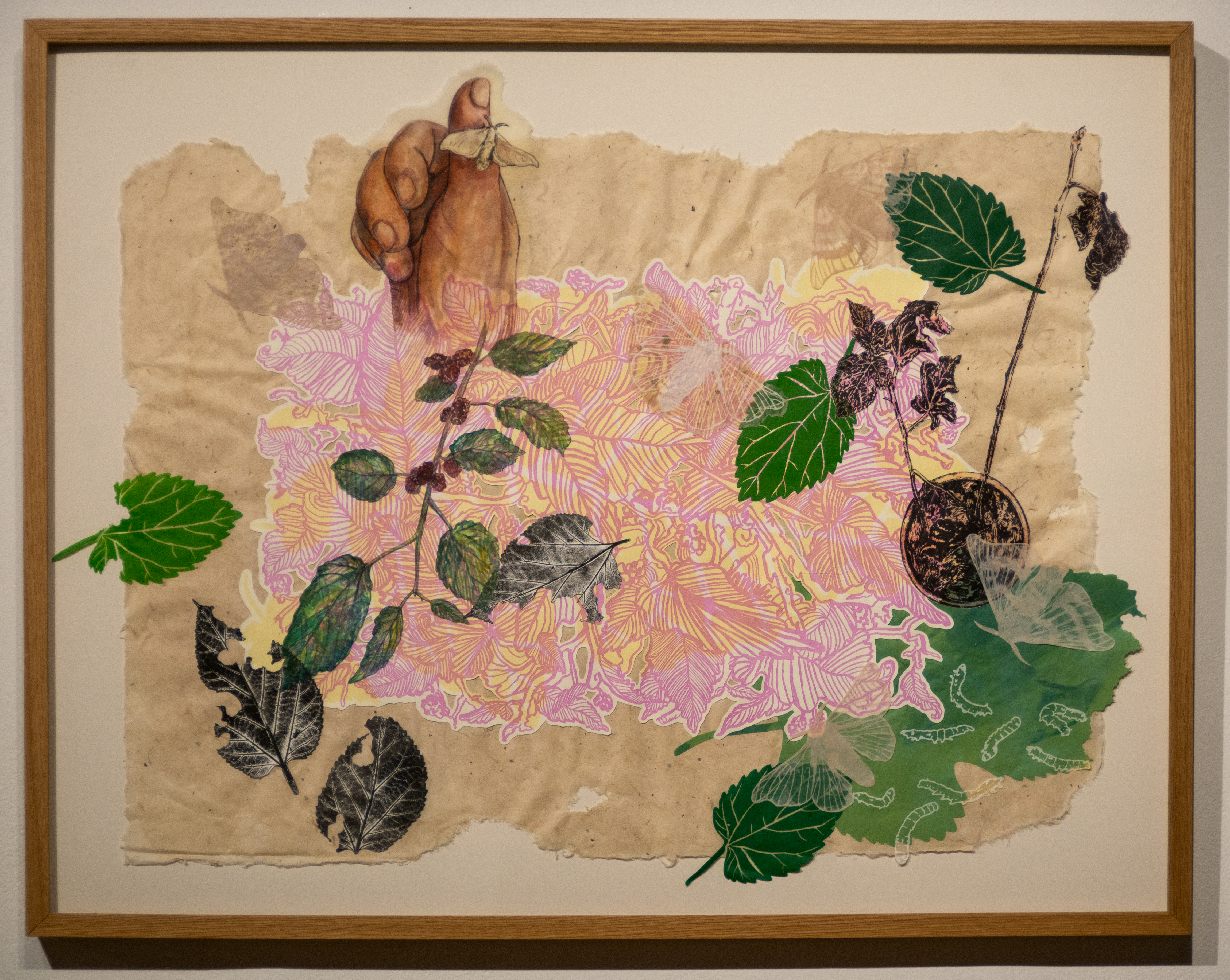
In the old country, Carmela worked with silkworms. Their lives revolved around mulberry leaves. From the moment the caterpillars hatched, they had to be fed fresh leaves several times a day, every day. The work was quiet and repetitive—gathering leaves, spreading them out, and watching the worms eat. Their small bodies grew quickly, transforming the leaves into silk.
By the end of summer, the silkworms began to spin. Each one wrapped itself in a single continuous thread, then disappeared into a cocoon. Within that small chamber, a transformation takes place. If left undisturbed, the worm becomes a moth. But in the cultivation of silk, most never reach that stage. The cocoons are harvested while the thread remains unbroken.
Summers were spent beneath mulberry trees. The leaves were gathered first for the worms, and the fruit second for us. The tree feeds the worm, the worm produces the fiber, and the fiber becomes cloth.
In America, mulberry trees grew easily. Some were planted, others appeared on their own, spreading along fence lines and the edges of woods. By the time I was growing up, the trees were mostly known for their fruit. In early summer, our hands and mouths would turn deep purple from eating berries straight from the branches.
It wasn’t until much later that I understood the tree’s other purpose.
Standing beneath the mulberry branches now, gathering leaves for silkworms again, I think about how much care that work must have required—feeding them morning, afternoon, and night, watching them grow, waiting for them to spin.
This labor binds human and insect lives together in a relationship that is both nurturing and extractive. The worms depend entirely on human care, yet their purpose is determined by the silk they produce. Without the tree, the worm cannot exist. Without care, the cycle stops.
The tree feeds the worm. The worm makes the silk. The work continues.

